3 Ways Gentle Dentists Can Make Dental Visits Easier
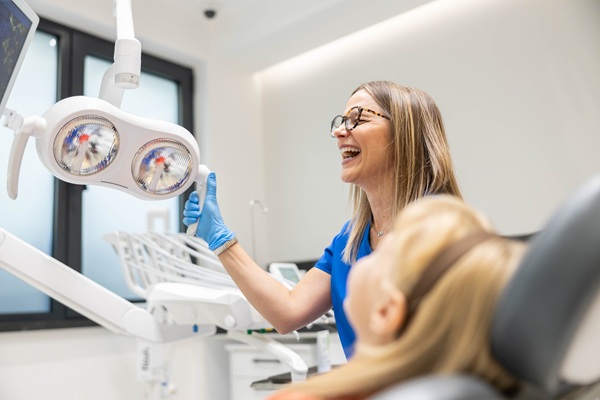
A gentle dentist offers quality dental care with a focus on comfort. They strive to make dental visits feel less stressful and more supportive so that patients of all ages feel relaxed in the dental chair. By using clear communication and patient-friendly techniques, even routine cleanings and restorative treatments can feel easier to manage.
How a gentle dentist makes visits easier and more comfortable
Many people feel nervous about going to the dentist. Whether it is due to a general fear of the dentist or because of sensitive teeth and other oral health problems, a gentle dentist can help. Since they are general dentists, they can offer a variety of preventive and restorative procedures. From dental checkups to crowns, the goal is always to provide comfortable but effective care.
Here are three ways a gentle dentist can make a routine visit easier:
1. Calming environments and compassionate care
A gentle dentist creates a setting where patients feel respected, heard, and at ease from the moment they walk in. A welcoming staff also helps reduce tension before treatment even begins. Once in the dental chair, the general dentist will clearly explain dental procedures step by step to foster trust. This is particularly helpful for those with past dental anxiety, those who feel nervous about dental care, or those with sensitivities.
Compassionate communication also plays a key role in this approach to dental care. The dentist will take time to answer questions and check in throughout the procedure to make sure the patient remains comfortable. These small but meaningful touches reinforce a sense of safety. For those who have delayed appointments in the past due to nervousness, this type of environment encourages a fresh start and ongoing partnership in oral health.
2. Minimally invasive techniques and gentle tools
Advancements in dental technology now allow for quieter tools, less pressure, and more precise techniques. A gentle dentist prioritizes equipment that minimizes discomfort, such as ultrasonic scalers, laser instruments, or air abrasion for select procedures. These tools help reduce the need for drilling and can shorten appointment times, especially during cleanings or early-stage treatments. Or, if a patient prefers, they can request hand tools.
Minimally invasive approaches focus on preserving healthy tissue and reducing recovery time. For example, a gentle dentist may recommend dental bonding or preventive fluoride treatments to address minor concerns (like thinning enamel) before they become more serious. By minimizing discomfort through technique and timing, future visits seem less intimidating.
3. Personalized care for different comfort levels
A gentle dentist tailors care to match individual needs, whether that means offering breaks during treatment, providing topical anesthetics, or customizing chair positioning. These adjustments help accommodate patients with medical conditions, sensory challenges, or heightened sensitivities. A dentist who adopts a patient-centered mindset helps build long-term trust. When patients feel supported and understood, they are more likely to maintain regular visits and actively participate in their own dental care.
Get gentle care for a confident smile
For less stressful dental care, consider working with a gentle dentist. Even patients who feel uneasy or nervous about routine dental procedures, like cleanings, can benefit. Through calming environments and personalized attention, each visit becomes less intimidating and more empowering. Contact our Philadelphia office today for an appointment with a general dentist.
Request an appointment here: https://www.dentalelement.com or call Dental Element at (215) 383-1575 for an appointment in our Philadelphia office.
Check out what others are saying about our services on Yelp: Gentle Dentist in Philadelphia, PA.
Related Posts
When someone is experiencing TMJ pain, their priority would be getting relief, which a headache dentist specializes in. In this article, you will learn about Temporomandibular Joint Disorder (TMJ), the symptoms, and how a headache dentist can help provide substantial relief to TMJ pain.The temporomandibular joint is a joint linking the lower jaw to the…
Tooth loss affects appearance and the ability to chew, speak, and smile with confidence. Fortunately, implant-supported dentures can replace multiple teeth with a natural look and feel. This advanced tooth replacement is also known for its durability, stability, and ability to prevent jawbone loss. A general dentist trained in implant dentistry can help patients understand…
Approximately 25 million adults in the United States experience obstructive sleep apnea. This sleep disorder can go unnoticed until the symptoms become debilitating. Not knowing about the disease is one of the main reasons people do not receive adequate treatment.Obstructive sleep apnea is a chronic sleep disorder that occurs when the upper airway becomes blocked…
Your cosmetic dentist can use dental bonding to restore your smile. This is a simple and easy procedure that you can have in one appointment. Knowing how this treatment helps will allow you to appreciate its effects more. Here are the details about how a cosmetic dentist uses dental bonding.Dental bonding has many uses. A…